"Our Hands Know How to Build"
An introduction to Art Against Empire. Why textiles carry the weight of empire and resistance, from Penelope's loom to the AIDS Memorial Quilt.
This is the episode that explains why I made a podcast about textiles. Why fabric? Why thread? Because textiles are the material history of Empire itself, and the history of how people fight back.
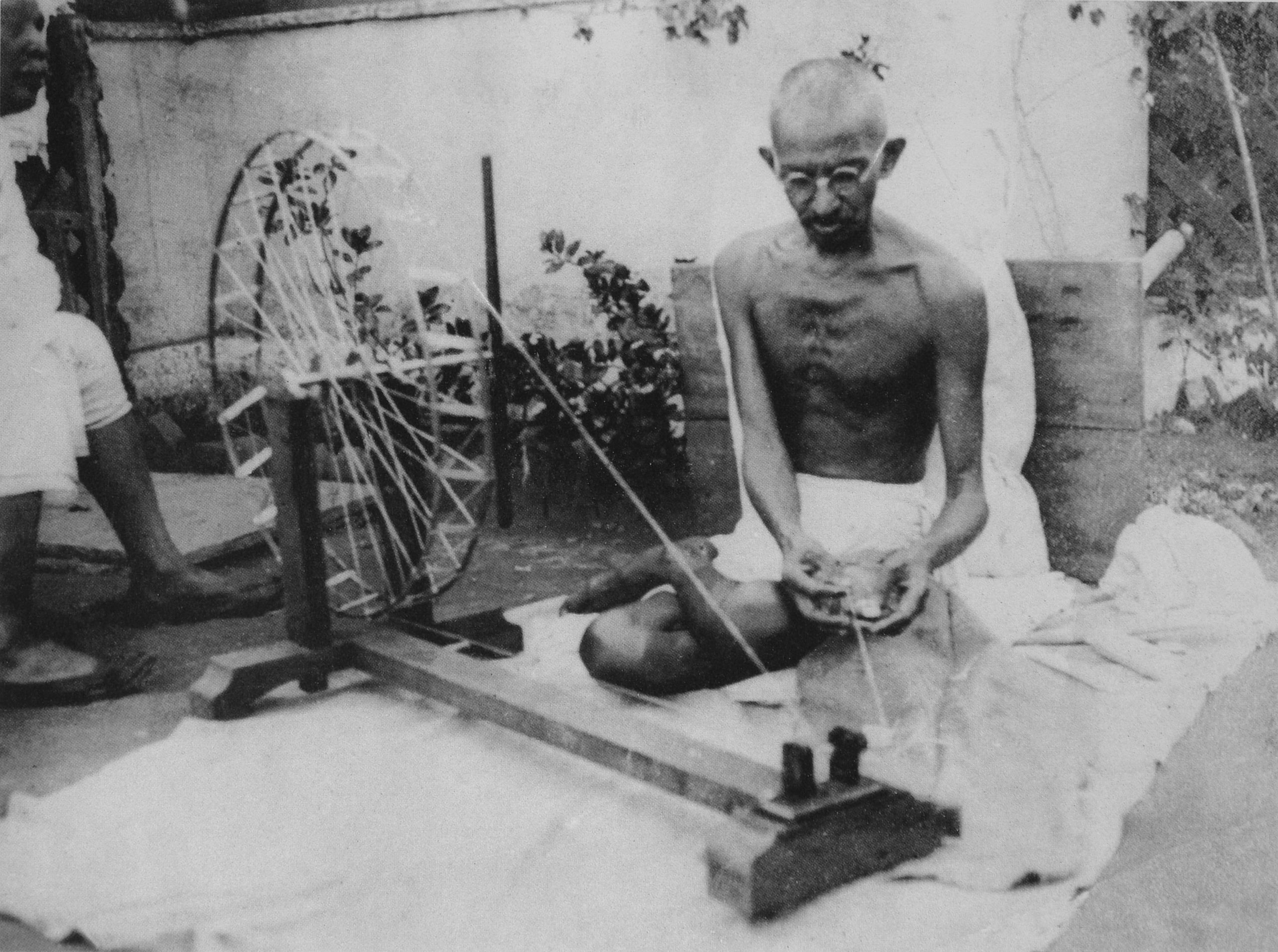
Every major empire has been built on the control of cloth. The Silk Road was named for fabric worth more than gold. When the British colonized India, they broke looms, cut off weavers' thumbs, and flooded markets with Manchester mill cloth. When Gandhi picked up a spinning wheel, he wasn't being symbolic. He was attacking the economic structure of colonialism thread by thread.
"Needle and thread can be tools of protest. It can be way more than the art of making. It's the art of sharing, the art of educating, the art of empowering, the art of informing, the art of creating empathy."
— Sara Trail, Social Justice Sewing Academy
Think about Penelope in Homer's Odyssey, unraveling her weaving each night. Her loom as a tool of subversion. That story is three thousand years old. In 1912, suffragettes imprisoned at Holloway Prison were denied pen and paper, so they embroidered the names of hunger strikers onto handkerchiefs instead. Under Pinochet, Chilean women smuggled truth abroad in arpilleras. The AIDS Memorial Quilt made grief visible when the government wouldn't say the word AIDS.
"When I start, I often look at the clothes and think, I've got no idea what to do here. And I've learned that that's okay. And that's how people feel when they're grieving. They've got no idea how they're going to get through this."
— Mary Burgess, Woven Memories
This episode introduces the series through more than a dozen voices. Blacksmiths reframing their craft as life-giving. Quilters transforming the clothes of the dead into blankets for the living. Scholars tracing technology resistance from the Luddites to artists pushing back against generative AI today.
"Skill pushes in the opposite direction. It says that the world doesn't just happen to you, but you make things in the world. And that's a powerful feeling."
— Gavin Mueller, author of "Breaking Things at Work"
Over sixteen episodes, we'll meet Sara Trail teaching young people that needle and thread can be tools of protest. Stephen Towns uncovering stories erased from American consciousness. Grace Roether and the Abolition Quilting Bee. Bonnie Peterson embroidering climate data. Nathan Ford and Maret Miller organizing quilters for Dee Dee's House, the first trans-led shelter in Kansas.
The world doesn't just happen to you. You make things in the world. That's the invitation.
Segment Breakdown
| Time | Segment |
|---|---|
| 00:00 | Cold Open: Voices of Amelia Jones, Sara Trail on making as resistance |
| 00:40 | Introduction: Ian introduces the series and why textiles matter |
| 02:25 | Empire and Cloth: Cotton, colonialism, and the economics of fabric |
| 02:53 | Gandhi and Khadi: The spinning wheel as direct attack on British colonialism |
| 03:45 | Penelope's Loom: 3,000 years of textile resistance |
| 04:20 | Mary Burgess / Woven Memories: Transforming clothes of the dead into blankets |
| 05:20 | Suffragettes at Holloway Prison: Embroidering names when denied pen and paper |
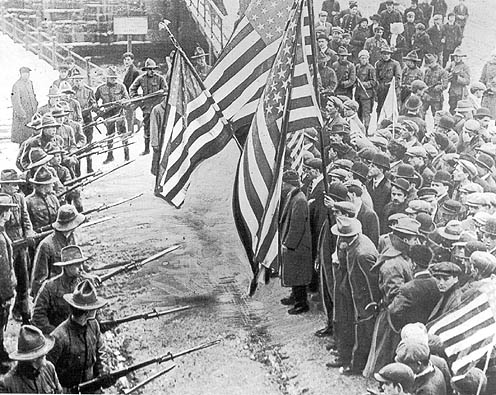
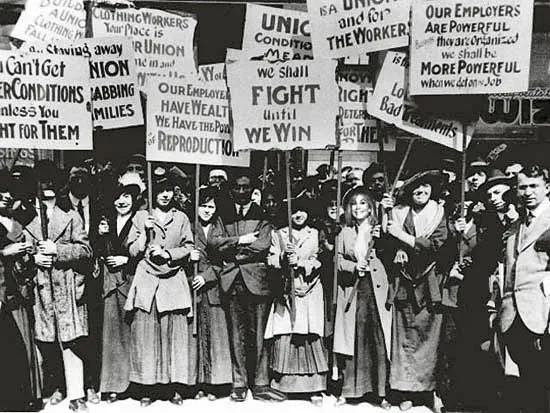
| 05:45 | Bread and Roses Strike (1912): 20,000 textile workers walk out |
| 06:23 | Archival Audio: Paul Robeson, "Joe Hill" (Edinburgh, 1949) |
| 07:00 | Grace Roether / Abolition Quilting Bee: Quilts are about bodies and care |
| 08:00 | Arpilleras under Pinochet: Smuggling truth abroad in fabric |
| 08:50 | Archival Audio: Mahatma Gandhi, "My Spiritual Message" (London, 1931) |
| 10:00 | The AIDS Memorial Quilt: October 1987, National Mall |
| 12:00 | Series Preview: Sara Trail, Stephen Towns, and the 16 episodes ahead |
| 18:24 | Stephen Towns Preview: Betsy Ross flag and the wet nurse |
| 18:46 | Episode 4 Preview: "Perfect is Boring" with Kim Werker |
| 19:30 | Bonnie Peterson: Embroidering climate data on Lake Superior |
| 20:00 | Sunny Smith: Interrogating American nationalism |
| 20:30 | Joy Fire / Society for Inclusive Blacksmiths: Reframing an ancient craft |
| 21:11 | Grace Roether: How the Abolition Quilting Bee organized 200 quilters |
| 22:30 | Nathan Ford & Maret Miller / Dee Dee's House: Quilts for the first trans-led shelter in Kansas |
| 23:36 | Paul Yore Preview: Maximalist textile collages in Australia |
| 24:30 | Amelia Jones on "Life Work": Living in relation to institutions without depending on them |
| 25:49 | Gavin Mueller: "The world doesn't just happen to you" |
| 26:15 | Closing & Next Episode Preview: Sara Trail and the Social Justice Sewing Academy |