"Perfect is Boring"
Embracing failure as resistance. Kim Werker and Catherine West on why perfectionism keeps us isolated and silent, and how making ugly things on purpose might set you free.
Who am I to try something new? Who am I to speak up? Who am I to make something that might not be perfect?
It's a question that stops so many of us before we even start. And here's what Kim Werker figured out: perfectionism is a tool of empire. When we all accept the same standards, adopt the same aesthetics, and police ourselves before anyone else has the chance to, we become the same. And nothing interesting happens when everybody's the same.
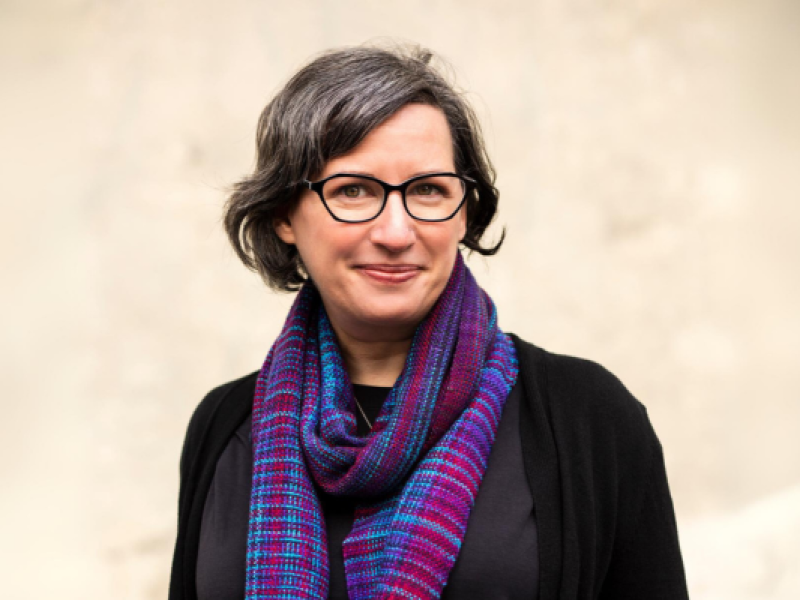
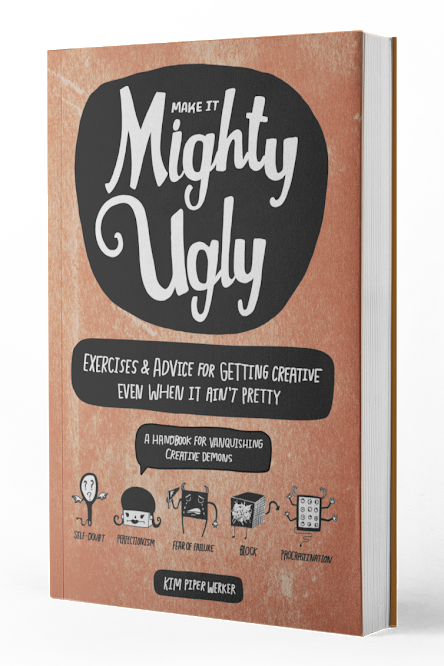
Kim is a book publisher in Vancouver who spent years in the crochet world watching people say "I'm afraid to try that." In yarn. Where the cost of failure is essentially nothing. So she created Mighty Ugly, a project that invites people to make ugly things on purpose. And what happened in those workshops blew her mind.
"If we're not gonna try something in crochet, what else are we not trying? Are we not trying for a better career? Are we not trying to find the right friends? Are we not trying to make an impact in this world in a meaningful way?"
— Kim Werker
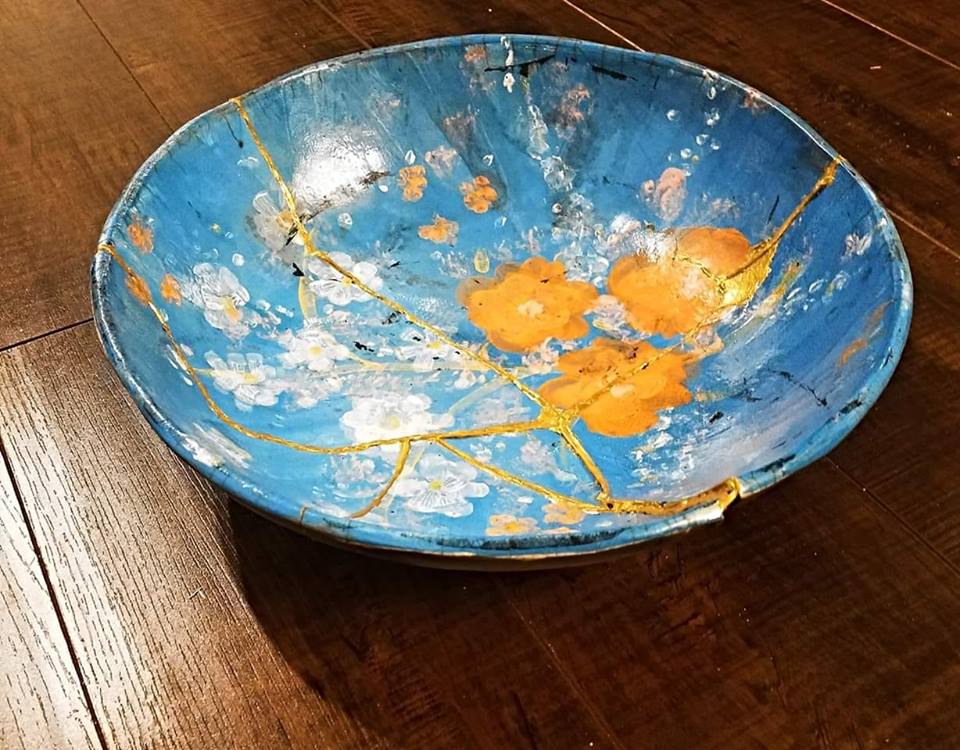
Cultures around the world have built philosophies around imperfection: Navajo spirit lines, Persian carpet flaws, Japanese wabi-sabi and kintsugi. They all refuse to let perfection be the enemy of making.
We also hear from Catherine West of Significant Seams in Devon, England, who uses sewing to support people in vulnerable life moments. She tells the story of a woman who walked out of a workshop because she couldn't get a zip straight, and came back two years later to say that need for perfection was actually her spiraling.
"We have to allow ourselves space to learn. That's the idea of a workshop environment. It's not to necessarily get it right right away. It's to understand how to get there."
— Catherine West, Significant Seams
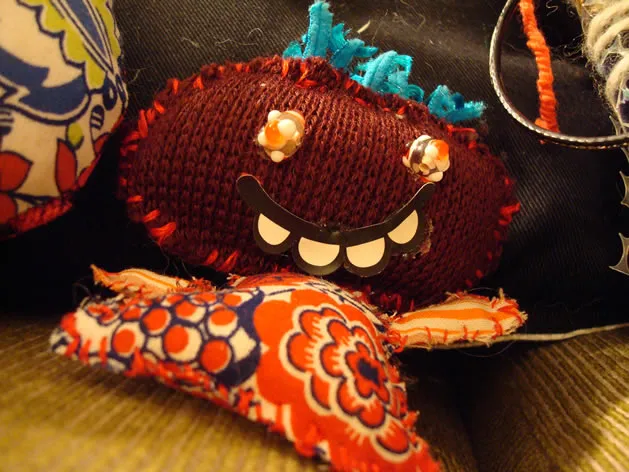
"The person who laughs too loudly, the person who's too shy to speak, the person who has been so hurt that it takes them longer to warm up, the person who comes barreling in like a tornado. All of these aspects of people are worth celebrating."
— Kim Werker
Segment Breakdown
| Time | Segment |
|---|---|
| 00:00 | Cold Open: Kim Werker on self-doubt and imposter syndrome |
| 00:30 | Introduction: Ian on why perfectionism is a tool of empire |
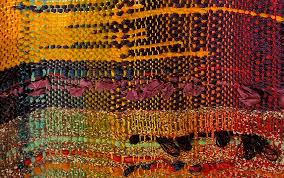
| 02:30 | Global Traditions of Imperfection: Navajo spirit lines, Persian carpets, wabi-sabi, kintsugi, saori weaving |
| 04:44 | Kim Werker's Journey: From crochet magazine editor to Mighty Ugly |
| 07:08 | What Happened in Workshops: Liberation, laughter, and tears |
| 10:00 | The Rise of Instagram Perfection (2010): Curated feeds and the algorithm |
| 15:00 | Making Ugly Things on Purpose: The mechanics of the workshop |
| 21:16 | Creating Safe Spaces: Mutual respect for diverse experiences |
| 23:00 | Catherine West / Significant Seams: The woman who couldn't get the zip straight |
| 23:34 | Perfectionism as Spiral: "That need for perfection was actually unrealistic pressure" |
| 25:00 | Civil Society and Belonging: Where do we find spaces of mutual trust? |
| 25:57 | Celebrating Imperfection in People: "The person who laughs too loudly..." |
| 28:00 | Closing & Next Episode Preview: Bonnie Peterson and art in the climate crisis |