"Quilting as Collective Storytelling"
Sara Trail and the Social Justice Sewing Academy. How one quilter is teaching young people that needle and thread can be tools of protest.
Sara Trail has been sewing since she was four years old. By twelve, she'd designed a Simplicity pattern collection. She'd seen the inside of the quilting industry, and she knew exactly who was being left out.
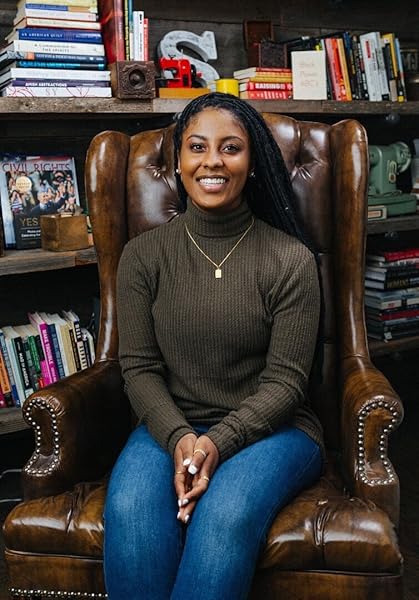
Quilting can cost $15 a yard. That's a high barrier to entry. So Sara created the Social Justice Sewing Academy in Oakland, using what she calls a "Robin Hood" model: capturing the excess fabric that accumulates in quilters' studios and redirecting it to young people who couldn't otherwise afford to participate.
"Needle and thread can be tools of protest. It can be way more than the art of making. It's the art of sharing, the art of educating, the art of empowering, the art of informing, the art of creating empathy."
— Sara Trail, Social Justice Sewing Academy
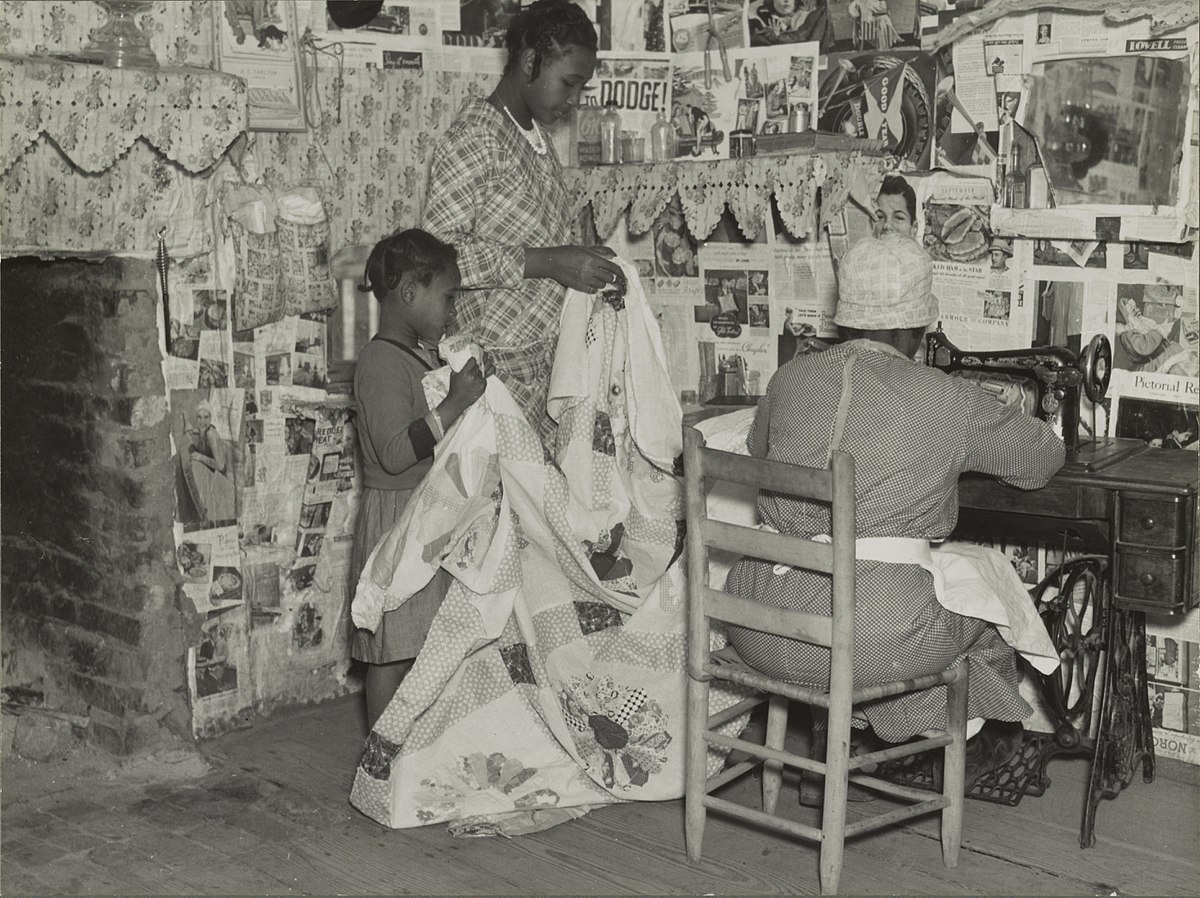
SJSA goes far beyond teaching kids to sew. Sara's building what she calls "an intergenerational army of makers" who understand that fabric has always carried history. When Sara invokes Gee's Bend, she's drawing on a lineage that stretches from freedom quilts through the AIDS Memorial Quilt to today.
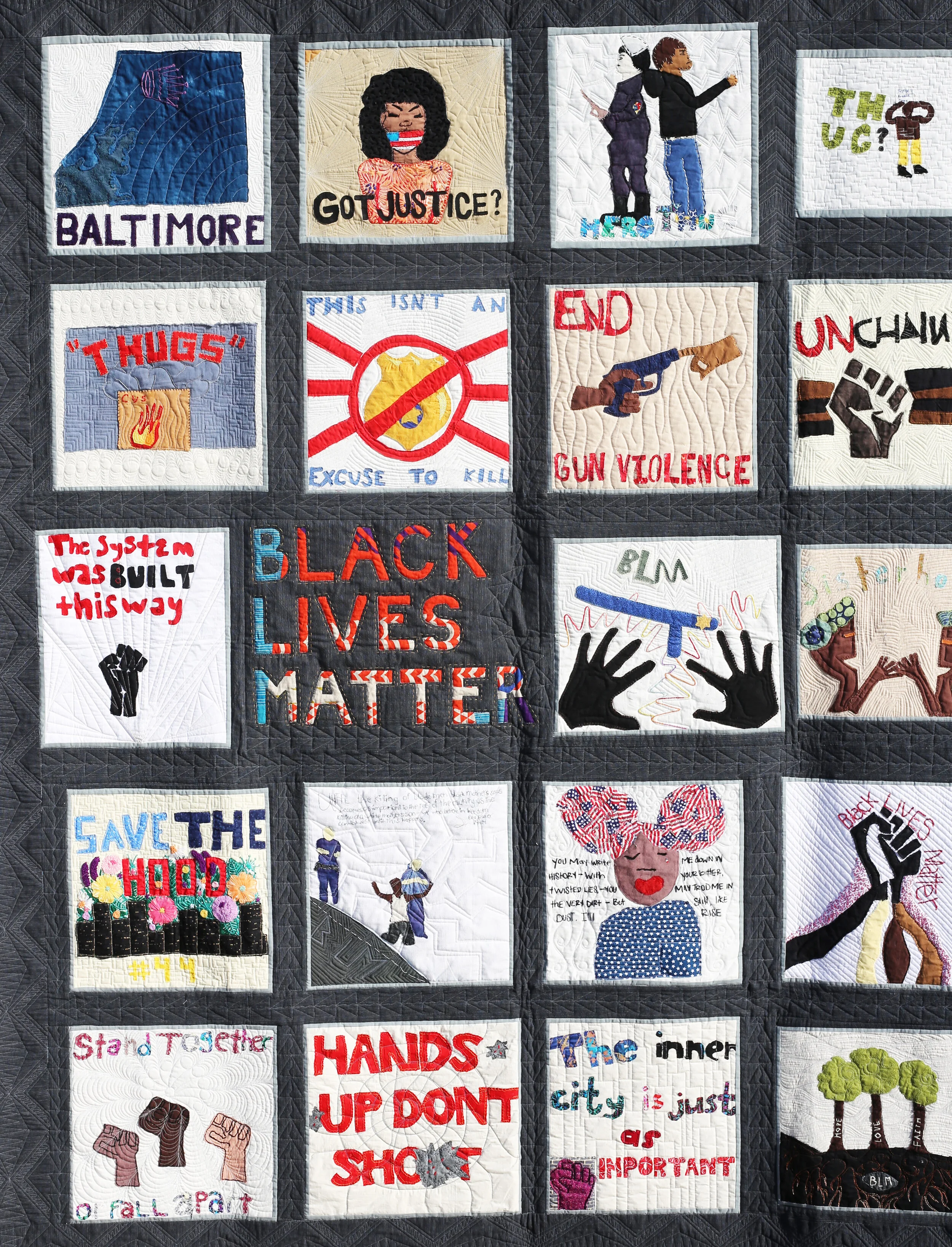
The quilts young people make at SJSA speak to police violence, gentrification, ICE raids, and the daily realities of their communities. They're giving voice to lived experience through fabric.
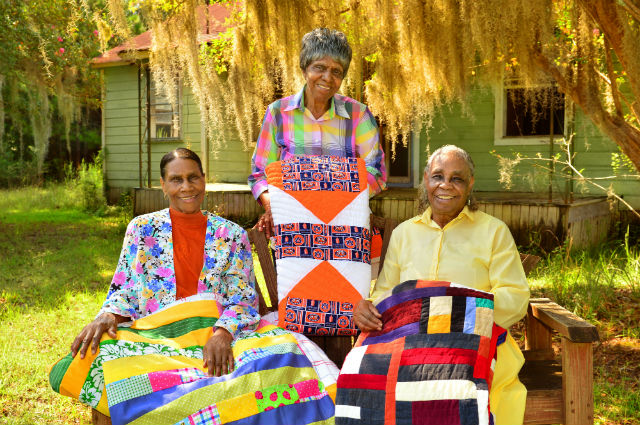
"The AIDS Quilt walked so the Social Justice Sewing Academy can run."
— Sara Trail
The Memorial Quilt Project creates quilts for families who've lost children to police violence. Each quilt becomes a testimony, a memorial, and a call to action.
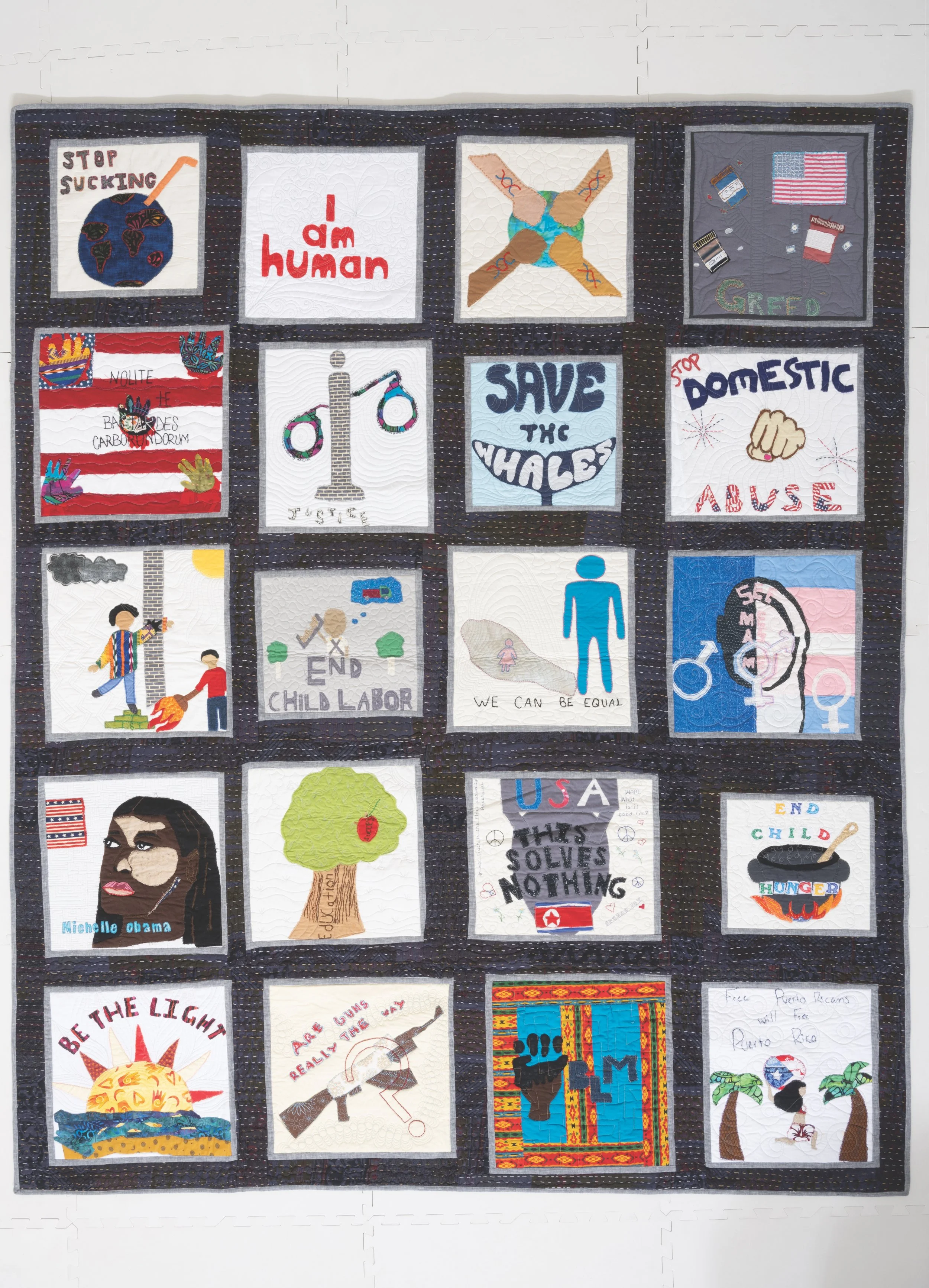
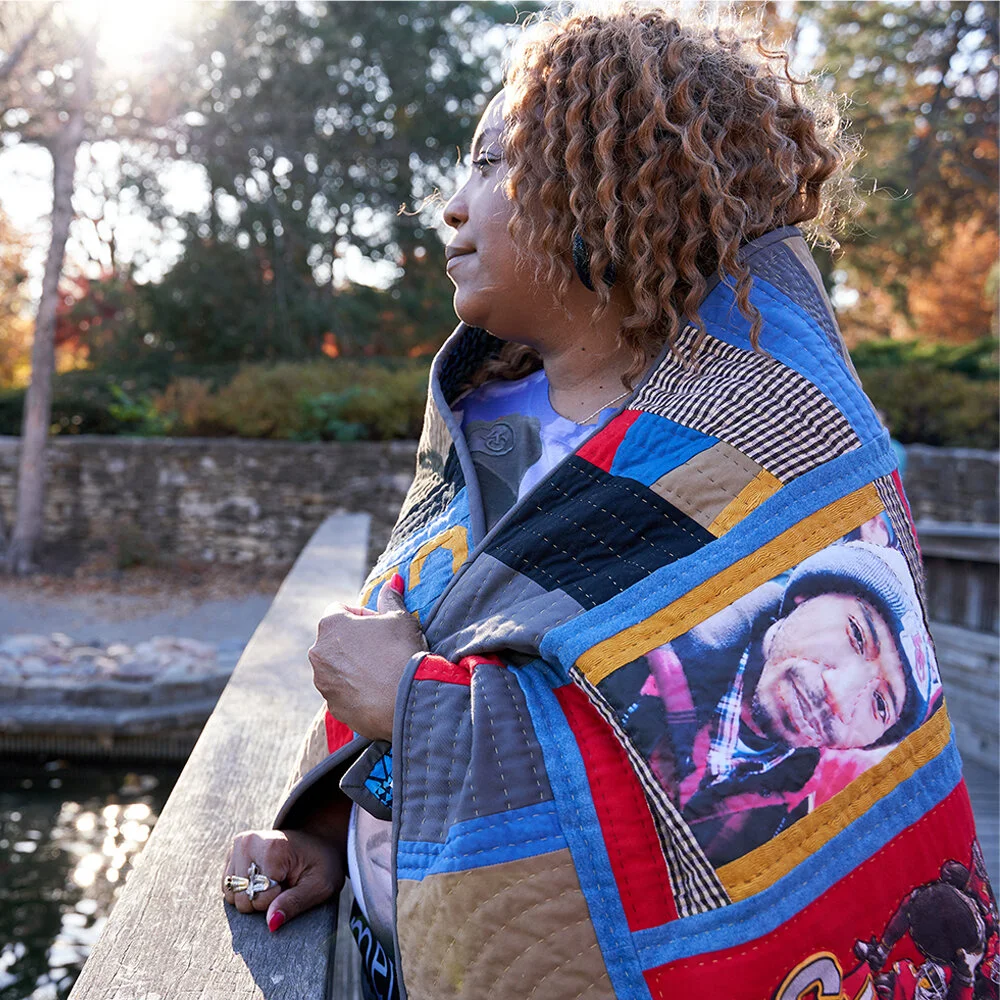
We also hear from Grace Rother of the Abolition Quilting Bee on collective making: "Small acts that contribute to a greater whole. That's the quilter's way, isn't it? One square at a time, one seam at a time, until suddenly you're looking at something that can cover a bed, or cover America's National Mall."
Segment Breakdown
| Time | Segment |
|---|---|
| 00:00 | Cold Open: Sara Trail on needle and thread as tools of protest |
| 00:06 | Introduction: Ian introduces Sara Trail and SJSA |
| 02:31 | The Lineage: Gee's Bend, freedom quilts, and the history Sara is building on |
| 04:49 | Robin Hood Model: How SJSA redistributes excess fabric to create equity |
| 07:15 | Young People Sewing: Global perspective and sweatshop labor |
| 12:00 | What the Quilts Say: Police violence, gentrification, ICE, and lived experience |
| 21:00 | Memorial Quilt Project: Creating quilts for families who've lost children |
| 39:12 | Content Warning / Creating Brave Spaces: When young people feel safe enough to share trauma |
| 41:33 | The AIDS Quilt Legacy: "The AIDS Quilt walked so SJSA can run" |
| 43:47 | Grace Rother: Collective making and small acts |
| 46:10 | Closing & Next Episode Preview: Stephen Towns, Uncovering the Invisible |
How to Support SJSA
- Volunteer as an embroidery volunteer (blocks mailed to you)
- Donate fabric, thread, or financial support
- Host a workshop or quilt exhibit in your community
- Follow @sjaborhood on Instagram
- Visit sjsacademy.org
⚠️ Content warning at 39:12: Brief mention of childhood sexual abuse in the context of creating safe spaces for young people to share trauma through art.